Key takeaways
- Almost every small business benefits from a website it owns, even with strong word of mouth.
- Five to seven well-written pages cover what most small businesses need.
- Make your phone number, service area and next step obvious on every page.
- Real photos and genuine reviews do more than any stock image.
- Treat the site as part of your marketing and keep it up to date.
Do I need a website for my small business?
I hear this question a lot, especially from businesses that already get work through word of mouth or social media. My honest answer: yes, in almost every case. Even when someone hears about you from a friend, they usually look you up before they call. A website is the one place online that you own and control, where your hours, services and contact details are always correct.
Social media profiles are useful, but platforms change their rules and their reach. Your website stays yours.
The pages every small business website needs
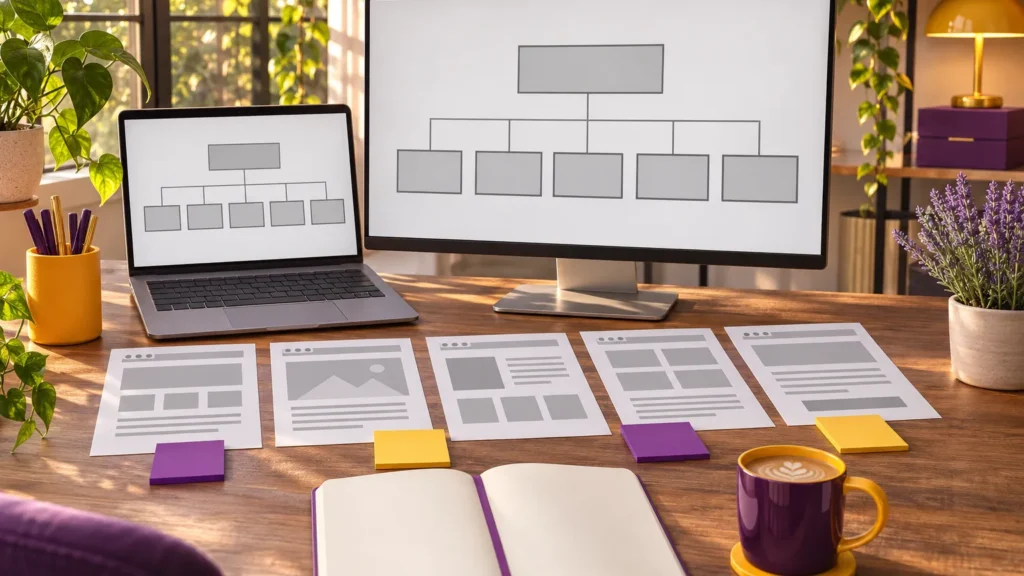
Most small businesses can do a great job with five to seven pages. Here’s the usual list:
- Home: what you do, who you do it for, where you are and how to get in touch.
- Services or products: one page per main service is best, so each can be found in search.
- About: your story, your team and real photos.
- Reviews or work: testimonials, a gallery or examples.
- Contact: phone, email, a short form, your service area and a map if people visit you.
Depending on your business, you might add an FAQ page, a booking page, a menu or a simple online store. That’s about the size of my most popular package, which is 5 to 7 pages from $2,400. The small business website cost guide explains how pricing usually works.
Small business website checklist
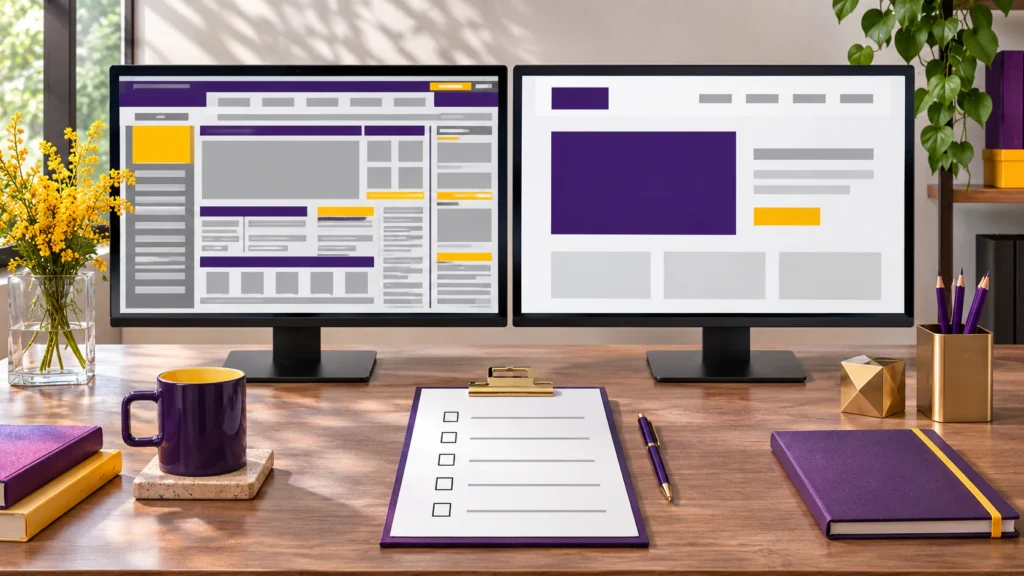
Run your current site, or your plans for a new one, through this checklist:
- Can a visitor tell what you do within five seconds of landing on the homepage?
- Is your phone number visible on every page, and can people tap it on a phone?
- Is your service area or address clear?
- Are your hours and prices (or “from” prices) current?
- Does every page end with a clear next step, like “Call now” or “Request a quote”?
- Do you have real photos of you, your team, your space or your work?
- Do you have at least a few genuine reviews on the site?
- Does the site look and work well on a phone?
- Does each page have its own title and description for search engines?
- Do you know how to update it, or who to call when you need a change?
If you answered “no” to more than a couple of these, small fixes can make a real difference.
What is the best website for a small business?
The best website for a small business is the one that answers your customers’ questions quickly and makes it easy to contact you. The platform matters less than people think, but it does affect how easily you can grow and update the site.
I build most sites on WordPress because it’s flexible, owned by you and easy to edit after training. DIY builders can work for very simple sites, and I’m honest about that in my guide on whether you need a web designer.
Write for customers, not for yourself
The words on your site matter as much as the design. A few small business website best practices for writing:
- Lead with the customer’s problem. “Leaky roof? We can usually come out this week” beats “Welcome to our website”.
- Be specific. Name your services, your area and what makes you different. “Quality service” tells a visitor nothing.
- Keep paragraphs short. Two or three sentences each, with clear headings in between.
- Show prices where you can. Even a “from” price helps people decide whether to call.
- Answer common questions. If you hear the same question every week, put the answer on your site.
You know your business better than anyone. Write a rough draft in your own words, and a designer can help shape it into clear, scannable pages.
Real examples from small businesses
A couple of examples from my portfolio show how these tips play out. Shoken Defence MMA & Fitness in Kentville needed a bold site with an interactive class schedule, because the schedule is what members check most. TD Anderson Professional Corporation, an accounting firm, needed something calmer and more professional, with services laid out clearly so clients could see how the firm could help.
Same principles, very different results, because the visitors are different.
Tips for small business marketing after launch
A website works best when it’s part of your marketing, not a brochure that sits still. Simple ideas that don’t take much time:
- Set up and complete your Google Business Profile, and link it to your site.
- Ask happy customers for reviews, then add the best ones to your website.
- Put your web address on your business cards, invoices, vehicle and email signature.
- Update your site when something changes, like new services, seasonal hours or a new team member.
- Share new work or news on social media with a link back to your site.
For a more structured approach, my digital strategy service can help you focus on what’s worth your time.
What you can leave out
Small sites don’t need autoplay videos, complex animations, a blog you’ll never update or a page for every possible keyword. Start with the essentials, get them right and add more when there’s a clear reason. If you’d like help deciding what your site needs, have a look at my approach to small business web design.
Frequently asked questions
How many pages does a small business website need?
Most small businesses do well with five to seven pages: home, services, about, reviews or work, and contact, plus extras like FAQ or booking when they help.
Is social media enough instead of a website?
Social media is useful, but you don’t control the platform. A website is the one place online that you own, where your details are always correct and easy to find.
What should be on a small business homepage?
What you do, who you serve, where you are, proof such as reviews or photos, and a clear way to get in touch. Keep it short and point people to the right next page.
How much does a small business website cost?
My sites start from $1,200 for 3 to 4 pages and from $2,400 for 5 to 7 pages. See my pricing for what’s included.